How Apartment Building Owners Can Choose The Right Insurance
Protecting an apartment building is an important part of successful property ownership. The right insurance can support financial stability, safeguard valuable assets, and provide confidence during unexpected events. Owners can make informed choices by reviewing coverage needs, property features, and priorities.
Assess the Building’s Coverage Needs
Every apartment property has its own structure, equipment, shared spaces, and operations. Start by identifying what needs protection and consider how coverage can support the entire property.
- Review the building structure and permanent fixtures.
- Consider shared areas such as entrances, hallways, and recreational spaces.
- Include systems such as plumbing, electrical, and heating equipment.
- Evaluate furniture, appliances, and other owner-provided contents.
- Consider improvements and upgrades that increase property value.
Understand Core Policy Protection
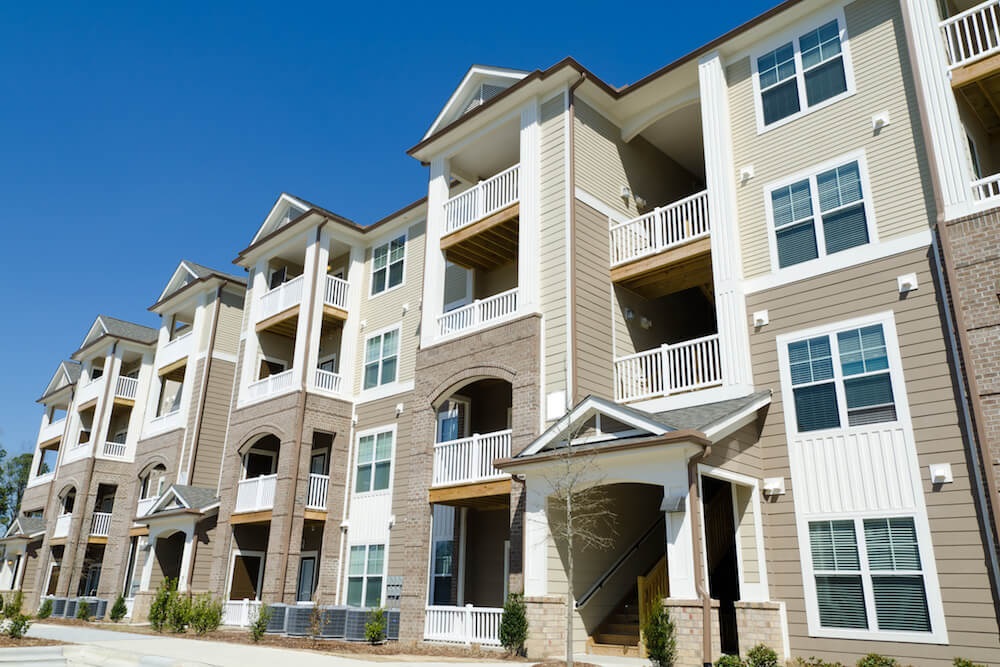
A well-designed policy can provide broad support for common property-related events. Understanding each coverage section helps owners select protection that aligns with the building’s value and daily operations.
- Property coverage can protect eligible physical structures.
- Liability coverage can support protection against covered third-party claims.
- Equipment coverage can help address eligible mechanical or electrical losses.
- Loss-of-income protection can support finances when covered damage affects operations.
- Additional coverage options can strengthen an overall protection plan.
Evaluate Property-Specific Risks
Risk assessment makes it easier to build practical protection. Owners should review the building’s age, construction quality, maintenance standards, and installed systems before choosing coverage limits.
- Examine the condition and age of major building components.
- Review maintenance records and improvement projects.
- Identify valuable equipment and shared facilities.
- Consider occupancy patterns and property operations.
- Review emergency preparedness and safety measures.
Choose Suitable Coverage Limits
Selecting appropriate limits is essential for creating dependable protection. Aim for limits that reflect rebuilding, repair, replacement, and operational costs rather than outdated estimates.
- Obtain an updated property valuation.
- Consider construction and repair costs.
- Account for improvements made after the original policy was arranged.
- Review deductible levels alongside coverage limits.
- Reassess limits as property values change.
Compare Policy Features Carefully
Comparing policies is more effective when owners look beyond price. Reviewing benefits, exclusions, deductibles, limits, and optional protections can reveal which solution offers the strongest value.
- Compare covered causes of loss.
- Review exclusions and conditions carefully.
- Examine claim support and service features.
- Compare optional endorsements and added protections.
- Check whether policy terms fit ownership goals.
Review the Policy Regularly
Property needs can change as buildings are renovated, equipment is replaced, or rental operations evolve. Reviews help keep protection aligned with circumstances and can support better financial planning.
- Update coverage after major renovations.
- Reassess building values periodically.
- Review changes in occupancy or operations.
- Confirm that important assets remain properly covered.
- Discuss adjustments whenever property circumstances change.
Build a Strong Protection Strategy
Choosing apartment building insurance is an opportunity to create a thoughtful foundation for long-term property confidence. By understanding coverage, evaluating risks, selecting suitable limits, and reviewing policies regularly, owners can develop protection that supports their assets and future plans.
- Keep policy documents organized and accessible.
- Maintain accurate property and equipment records.
- Schedule insurance reviews.
- Strengthen maintenance and safety practices.
- Make coverage decisions with long-term property goals in mind.
