Why Smart Vehicle Ownership Starts with Informed Decisions
Owning a vehicle is more than simply purchasing a mode of transportation. It involves making thoughtful choices that contribute to safety, efficiency, comfort, and long-term value. Smart vehicle ownership begins with informed decisions that help individuals select, maintain, and use their vehicles wisely. By understanding key factors before and after purchase, owners can enjoy a more rewarding and cost-effective experience.
Understanding Vehicle Requirements
Choosing the right vehicle starts with identifying personal needs and lifestyle preferences. Careful evaluation helps ensure the vehicle serves its purpose effectively for years to come.
- Assess daily travel distance and driving habits.
- Consider passenger and cargo requirements.
- Evaluate fuel efficiency and operating costs.
- Compare available safety and convenience features.
- Review long-term maintenance expectations.
Researching Before Making a Purchase
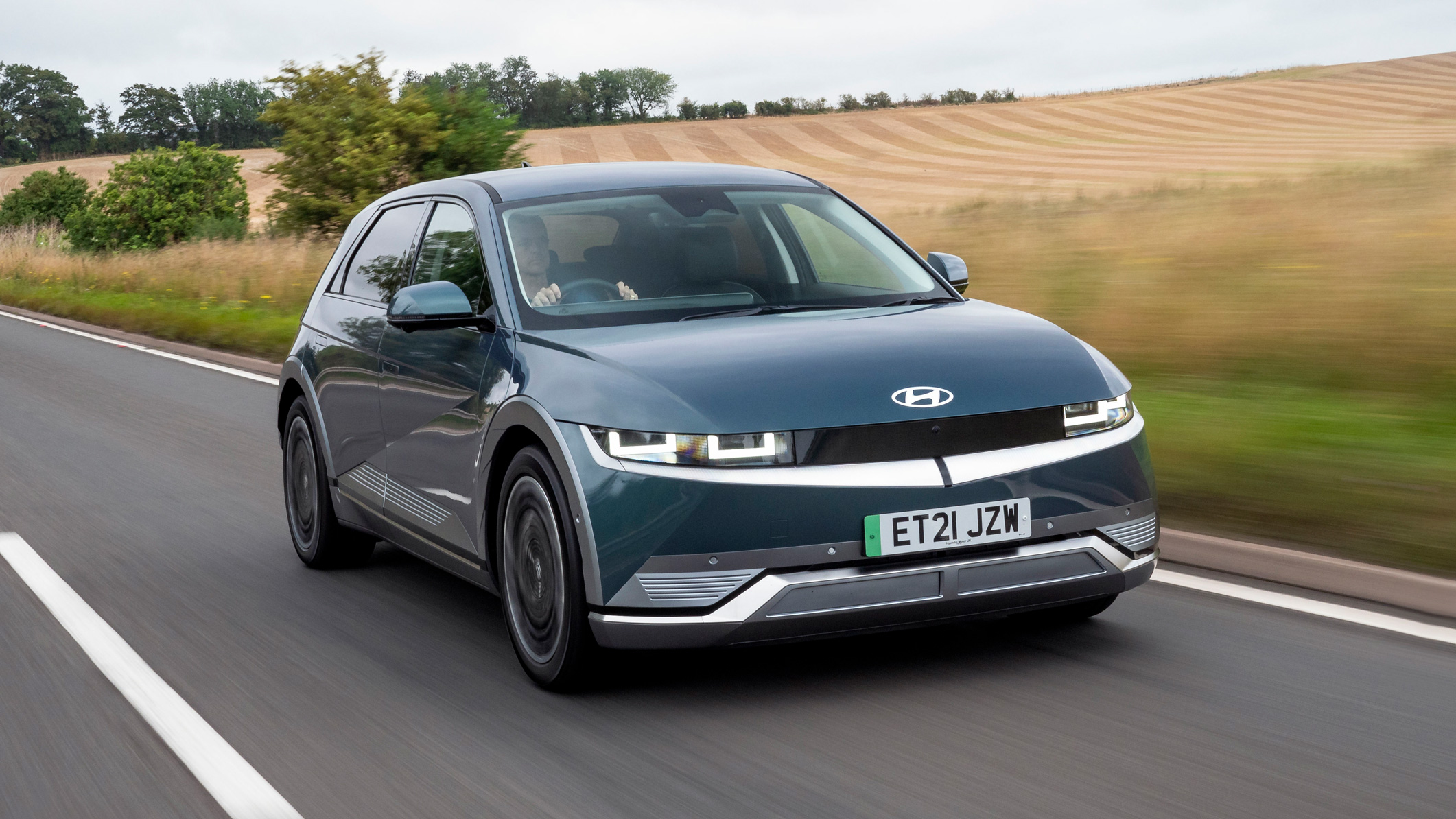
Well-informed buyers often make decisions with greater confidence. Exploring available information helps reduce uncertainty and improves satisfaction with the final choice.
- Read expert reviews and owner experiences.
- Compare performance and reliability ratings.
- Analyze warranty and service coverage options.
- Review vehicle specifications carefully.
- Stay updated with car industry news for market insights.
Prioritizing Safety and Reliability
Safety and reliability are essential elements of responsible vehicle ownership. Vehicles that perform consistently and offer protective features contribute to greater peace of mind.
- Check available safety technologies.
- Review crash protection information.
- Consider reliability records and durability.
- Inspect vehicle condition before purchase.
- Schedule routine maintenance checks.
Managing Ownership Costs Effectively
A smart ownership approach includes understanding the full cost of keeping a vehicle. Proper financial planning helps avoid unexpected expenses and supports long-term value.
- Create a budget for regular maintenance.
- Monitor fuel consumption and efficiency.
- Plan for insurance and registration expenses.
- Address minor repairs before they grow.
- Track service history and maintenance records.
Maintaining Vehicle Performance
Regular care plays a major role in preserving vehicle quality and performance. Consistent maintenance can improve efficiency, reliability, and overall driving satisfaction.
- Follow recommended service schedules.
- Check tire condition and pressure regularly.
- Monitor fluid levels and replacements.
- Keep the vehicle clean and protected.
- Pay attention to unusual sounds or warnings.
Making Environmentally Responsible Choices
Thoughtful vehicle ownership can also support sustainability goals. Small decisions often contribute to reduced waste and improved resource efficiency.
- Practice smooth and efficient driving habits.
- Maintain proper tire inflation for efficiency.
- Reduce unnecessary vehicle weight.
- Follow preventive maintenance routines.
- Consider energy-efficient vehicle options when appropriate.
Building Long-Term Ownership Value
Successful vehicle ownership involves ongoing learning and responsible decision-making. Staying informed helps owners adapt to changing needs while protecting their investment.
- Review ownership goals periodically.
- Keep documentation organized and updated.
- Learn about new vehicle technologies.
- Maintain a consistent care routine.
- Make decisions based on facts and research.
Smart vehicle ownership is built on knowledge, preparation, and consistent care. By making informed decisions at every stage, owners can enhance safety, control costs, maintain performance, and enjoy a more dependable and satisfying driving experience for years to come.
